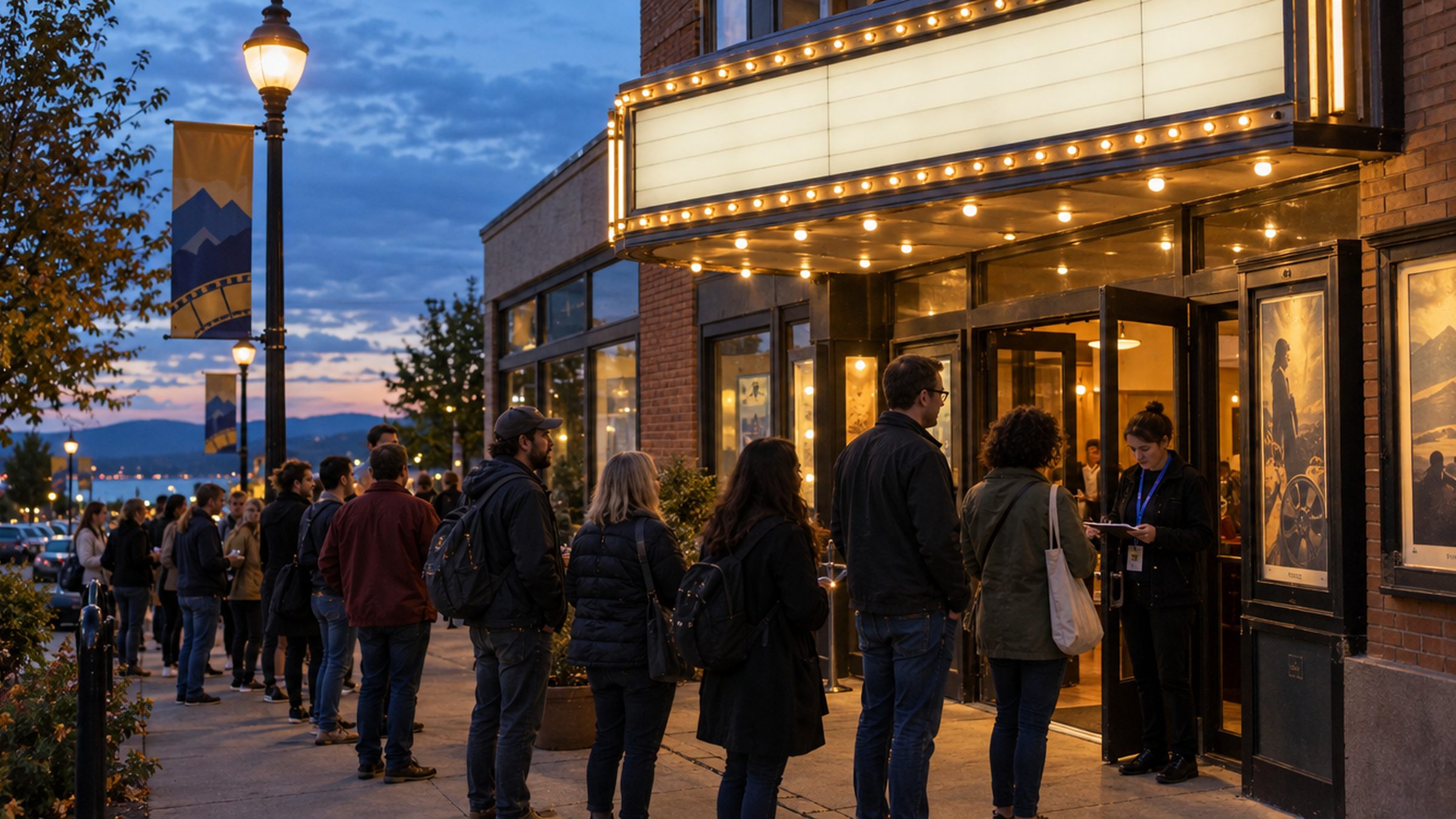


A queue outside a small independent cinema at dusk during a festival, lit marquee, a volunteer with a lanyard checking names at the door

Every filmmaker answered within the hour. Every deliverable chased before the deadline.

A small crew of AI agents takes the office work off your festival: the reply to every filmmaker, press, and sponsor email, the follow-up with every invited film until the DCP and the stills arrive, and the sponsor renewals, venue holds, and jury dates nobody should have to carry in their head. All of it in your festival's voice, none of it sent until you say so, and your year-round staff of two gets to program.

Built for film festivals of every size, from a weekend of shorts to a ten-day international program. Runs alongside FilmFreeway, Eventive, and the tools you already use.

Book a free 45-minute assessment

Why this exists

Most film festivals run eleven months on a staff of one to three and one month on a hundred volunteers. The director programs, fundraises, and answers the inbox. The one coordinator handles submissions, filmmaker travel, press, and the print traffic. For most of the year the general inbox fills with filmmakers asking about their status, sponsors asking what they get, press asking for screeners, and venues asking for dates, and all of it waits for whoever gets to the desk between screenings. Very few festivals have the help the job needs. The reason is the budget, almost never effort. That kind of help is a salary, and the money goes into the program, the venues, and the filmmakers, in that order.

A filmmaker emails about their submission status and hears nothing for three weeks. An invited film's DCP arrives two days before the screening because nobody chased the deliverables. A sponsor who gave last year doesn't hear from you until the ask, and says no. A press screener request from a critic who covers festivals sits in the inbox until after the premiere. The jury confirmation goes out late because the person who sends it was at the venue walkthrough. None of it is hard. There's just too much of it, and all of it waits for the same two people.

At some point we stopped thinking the answer was “find the sponsor money for one more coordinator” and started thinking there had to be a better way for a festival to support itself year-round. That's what Second Unit is.

It isn't for every festival. If you have a year-round staff with a submissions manager, a print traffic coordinator, and a publicist, you don't need this. If you don't, and the same two people are doing all three jobs plus the programming, we built this for you.

The filmmaker who waited three weeks to hear about their status tells twenty other filmmakers. The sponsor who heard nothing until the ask says no. Neither needed much. Nobody had the week.

The same crew we run our own business on

Second Unit is built and run by Noettic Labs, a Los Angeles studio that builds with AI to solve real business problems. We build products that do real work, and we install crews that do it inside your business: the quotes, the follow-ups, the renewals, the records, the reports, the paperwork that keeps a company moving and keeps its best people from doing any of it.

The crew on this page is the system we use to run our own business. We sat down with the people doing the best work with agents, kept what held up under a real week, and wrote it into the job cards and rules every crew ships with. An install is that system, set up on your business, by hand, on a call.

Second Unit is one of several products from Noettic Labs. See what else we've built.

What we built for you

Job CardFilmmaker Desk
One Job
Job
Draft a reply to every filmmaker, press, sponsor, and venue email within the hour, in the festival’s voice, and route the ones a person must see.
Reads
The general inbox, the submissions platform, the festival calendar, your rules on status, fees, and screeners.
Writes
A draft reply, a row in your contact list, a task for the right person.
Never
Sends. States a selection decision that hasn’t been made. Promises a screening slot, a fee waiver, or a screener the rules don’t allow.
Reports to
Your Second Unit Lead, in the daily status.
Checked by
You, before anything goes out.

Second Unit is a service. There's no software for you to learn. We install a small crew of AI agents in your own accounts, one job each, and train each one on how your festival works: your voice, your dates, your rules, your deliverables list. A filmmaker desk that drafts a reply to every filmmaker, press, sponsor, and venue email within the hour and routes decisions to the programmer. A deliverables tracker that follows every invited film from acceptance to screening, chasing the DCP, the stills, the subtitles, and the signed agreement on a schedule until each one lands. A sponsor and partner follow-up agent that thanks every sponsor the week after the festival, keeps them warm across the year, and drafts the renewal ask on your calendar. The crew works alongside FilmFreeway, Eventive, Airtable, or whatever you already run; that stays your system of record. Between them they take hours of office work off every week, and you approve every one before it goes out.

A word about AI. These are tools for the office work. They answer the filmmaker, chase the DCP, and draft the sponsor note. They don't program the festival, write the catalogue notes, decide a selection, or speak for the festival on anything a board or a programmer would want to see first. What screens, and what the festival says in public, stays with you.

The name comes from film, which you'll know better than most of our clients. On a set, the second unit shoots everything that doesn't need the director: the establishing shots, the inserts, the driving scenes. The director keeps the scenes that need them. Same deal here. The agents take the replies, the chasing, and the dates. You keep the program, the filmmakers who need a conversation, and the room.

A festival office the week before opening, printed schedules and badges on a long table, a coordinator on the phone
Three weeks before opening night. Every invited film has a deliverables row: what's arrived, what's missing, and a drafted nudge to the filmmaker for each gap, in your voice, with the deadline and the specs attached.

Three jobs, one festival

Draft · not sent
ToPriya RamanSubjectRe: Status of "Low Tide" (short, submitted June 2)

Hi Priya, thanks for checking in, and for sending us Low Tide. Shorts programming is still in progress; we notify every filmmaker by August 15, selected or not, through FilmFreeway and by email.

I can't share where a film stands before then, but I can confirm your submission is complete and in front of the shorts committee. If anything about the film changes before August, such as a new cut or a premiere elsewhere, reply here and I'll update your file.

Thanks for your patience, and for your work.

Best,
Jonah, Harbor Film Festival

Filmmaker Desk

Every email from a filmmaker, a critic, a sponsor, a venue, or a volunteer gets a drafted reply within the hour, in your voice, from your rules: what can be said about status, who gets a fee waiver, who gets a screener, what a sponsor tier includes. It knows what may be answered from policy and what needs the programmer, and it routes selection questions, press on a sensitive film, and anything about money to the right person the same hour.

Reads: the inbox, the submissions platform, your rules, your calendar. Writes: a draft, a contact, a task. Never: sends, states a decision that hasn't been made, promises a slot or a waiver.



Monday morning, in your drafts

Priya, two stills by Friday · specs attached, 300 dpi
Marcus, the DCP and the stills · the deadline, the drop link
Lena, the subtitle file · SRT not PDF, sample attached
Dev, the screening agreement · signature link, one line
Aisha, the trailer for the site · under 90 seconds, 1080p
1 film complete, marked ready
Five films read, four gaps found, four nudges drafted, one marked ready.
Deliverables Tracker

Every invited film goes into one record from the day it's accepted: the screening agreement, the DCP or file, the stills, the trailer, the subtitles, the filmmaker's travel. The agent watches what's arrived and what hasn't, and drafts a nudge to the filmmaker on your schedule, three weeks out, two weeks out, one week out, with the specs and the drop link each time. It tells you every Monday which films are ready and which are at risk. You stop finding out at the tech check.

Reads: the acceptance list, the drop folder, the calendar. Writes: the record, a status per film, a draft. Never: changes a screening slot, accepts a file that fails the spec, sends.
Draft · 60 days out
ToDana Whitlock, Harbor Credit UnionSubjectNext year, and a thank-you for this one

Hi Dana,

A note before we start planning next year's festival. Your support this year put 1,400 people in seats across the opening weekend, and the shorts program you presented sold out both screenings. I've attached the recap with the numbers and the photos.

We'd love to have Harbor Credit Union back at the same level, or talk about the opening-night presenting slot if that's of interest. I'll follow up next week, or reply here if you'd like to set a time.

With thanks,
Jonah

Sponsor and Partner Follow-up

Every sponsor, venue, and community partner goes into one record with what they gave, what they got, and when the renewal conversation should happen. The week after the festival, the agent drafts a thank-you to each with the recap attached. Across the year it drafts the light touches on your schedule, and 60 days before your renewal date it drafts the ask, at last year's level, with the option you choose to offer. You stop asking cold.

Reads: the sponsor record, the recap, the calendar. Writes: the record, a reminder, a draft. Never: changes a tier, a price, or a benefit, promises placement, sends.

Meet the crew

Each agent is set up for one job, the way you'd brief a new coordinator in May: the instructions for that job, the rules it works inside, the skills it needs, and nothing else. Your filmmaker desk knows your rules on status and screeners. Your tracker knows every invited film and what's missing. Your sponsor agent knows every partner by name.

Start with one. Add the next when you're ready. The Second Unit Lead comes with any setup and ties them together.

Needs youThe reply to Priya Raman about her submission status
ApproveNot now
Done today17 tasks · 4 agents
Daily status sent, one thing waiting on youSecond Unit Lead
Drafted 14 replies to filmmaker and press emailsFilmmaker Desk
4 films missing deliverables, nudges draftedDeliverables Tracker
Harbor Credit Union renewal is 60 days out, ask draftedSponsor and Partner Follow-up
  1. Second Unit LeadIncluded with any setup

    Your first agent. Runs the daily status, keeps your queue to one request at a time, and walks you through changes to the other agents so you never need us for a small tweak.

  2. Filmmaker DeskLaunch agent

    Drafts a reply to every filmmaker, press, sponsor, venue, and volunteer email within the hour, from your rules, and routes selection questions and sensitive press to the programmer.

  3. Deliverables TrackerLaunch agent

    Follows every invited film from acceptance to screening, chasing the agreement, the DCP, the stills, the trailer, and the subtitles on your schedule until each one lands.

  4. Sponsor and Partner Follow-upLaunch agent

    Thanks every sponsor and partner the week after the festival with the recap, keeps them warm across the year, and drafts the renewal ask 60 days out.

  5. Press DeskOn the menu

    The press release for the lineup and each announcement, the screener list and who gets what, the pitch to each outlet, and the follow-up when nobody answers.

  6. Jury and Guest DeskOn the menu

    Invitations, confirmations, travel and hotel details, the schedule each guest gets, and the thank-you after.

  7. Volunteer DeskOn the menu

    The call for volunteers, the confirmation with the shift and the venue, the reminder the night before, and the thank-you after.

  8. SocialOn the menu

    The post calendar from lineup announcement to closing night, one caption per film or event, and drafted replies to the comments and DMs you forward.

Once you say yes: what you get in the first week

Nothing is left for you to figure out. This is what we set up, and when.

  1. Day 1Installed and Running.

    Your Second Unit Lead and your Filmmaker Desk are set up on your own accounts, interviewed on your voice, your dates, and your rules, and one real filmmaker email is answered before we end the call.

  2. Day 2The Inbox Stops Waiting on the Programmer.

    Every new email has a drafted reply within about an hour, with the right rule and the right date. Your coordinator reads, edits if they like, and sends.

  3. Day 3First Check-in.

    We read the week's drafts together, note what you changed, and tighten the rules so the next ones need less of your hand.

  4. Day 7Your First Number.

    How many drafts went out untouched. It's the one figure we track from here, and it tells you whether this is giving your staff the year back.

Installing in the month before the festival? Your Deliverables Tracker starts with the films already invited, and your Filmmaker Desk handles the status emails the day the notifications go out.

How it works

  1. Assessment.

    A free 45-minute call. We find the tasks that are eating your festival's week and match them to the agent that can take them over.

  2. Install.

    Everything works from day one, and you don't set up a thing alone. We help you sign up for Grok Bot, and for Notion if you don't have it yet, both on your own accounts. Then, in one screen share, we install the agents, connect your email and calendar from your side, and run the interview that teaches them your voice, your dates, your rules on status and screeners, and your deliverables list. We walk you through the whole thing and check every piece before we hand them off to you.

    Runs on
  3. Two Weeks of Tuning.

    We read the drafts with you every few days and tighten the agent until most go out with no edits. Then a monthly check-in, and the next agent setup when you want it.

  4. Most festivals are running within a week of the assessment.

Everything that comes with a crew

One price, once. Beside each piece is what the same work costs when you buy it as a person's time. Rough US figures, so you can see what you're getting.

We start four new businesses a month.By hand, on a call, so each one gets the tune-up it needs.
What's in the BoxThe Three-Agent Crew
  1. The Assessment45 minutes with us to find the tasks eating your week and the agent for each.
    $250
  2. Install DayOne screen share. Agents installed in your own accounts, email and calendar connected from your side.
    about $1,200
  3. The InterviewYour voice, your prices, your rules, written into every agent before it drafts a word.
    about $600
  4. Three Launch AgentsFilmmaker Desk, Deliverables Tracker, Sponsor and Partner Follow-up. The same three jobs as hires.
    $5,000 to $12,500 a month
  5. Your Second Unit LeadDaily status, one request at a time, and the walkthrough for every small change.
    included
  6. Two Weeks of TuningWe read the drafts with you on days 3, 7, 10, and 14, and tighten the rules each time.
    about $1,000
  7. Job Cards and Rules, Yours to KeepEvery agent's instructions on paper, in your Notion, so the crew stays with you.
    about $500
Bought as people and consultants, the first month aloneabout $8,500 to $16,000
Your crew, once$2,500 to $6,000
Then about $50 a month in software, paid to Grok Bot and Notion.
The Tune-up Guarantee.

If most of your drafts aren't going out untouched by the end of the two-week tune-up, we keep tuning at no charge until they are.

What it costs

Priced to the size of your festival, and settled on the assessment call, not before. A weekend festival with one year-round staffer sits at the low end of each range. A ten-day festival with a staff of ten sits at the high end.

Setup, per agentRange
One Agent, Set Up and Tuned
The assessment, the install, the interview, and two weeks of tuning.
$1,000 to $2,500
The Three Launch Agents Together
Filmmaker Desk, Deliverables Tracker, Sponsor and Partner Follow-up.
$2,500 to $6,000
The Whole Crew
All eight agents, installed a week apart so each gets its tuning.
$6,500 to $16,000

Then Pick One of Two Paths

Ongoing Care

$100 to $750 a month per agent, scaled the same way. A monthly check-in, tuning as your festival changes, support when something's off, and the next agent when you want it. Ninety days minimum, then month to month with 30 days' notice.

Setup Only

No monthly fee. Your Second Unit Lead agent walks you through changes to the other agents yourself, and when you'd rather we did it, we're on call by the hour.

The assessment call is free, and there's nothing to decide until it's done. You pay for your own software: about $30 a month for Grok Bot and about $10 a month per seat for Notion, paid to them, not to us.

What the Same Help Costs as People

Rough US figures for hiring the equivalent, so you can see what you're getting. These are estimates.

If You Hired People$60,000 to $150,000a year
  • Festival coordinator, year-round$42,000 to $55,000 / yr
  • Submissions and print traffic manager, seasonal$4,000 to $7,000 / season
  • Sponsorship and development manager$50,000 to $70,000 / yr
  • Freelance festival publicist$3,000 to $8,000 / festival
  • Guest and hospitality coordinator, seasonal$3,000 to $5,000 / season

Before payroll taxes, before benefits, and before they've learned how you like things done.

Your Second Unit Crew$2,500 to $6,000once, the three launch agents$6,500 to $16,000once, the whole crew
  • Works every day, submission season and festival week included
  • Trained on your voice, your rules, your deliverables list
  • About $50 a month in software, paid to Grok Bot and Notion
  • Ongoing care from $100 a month per agent, or setup only with support on call
  • Yours to keep. If we part ways, the crew stays with you

Three agents for about one month of one salary.

What the agents won't do

What changes

The filmmaker who wrote on Monday about her status has a reply in your drafts by lunch, with exactly what the rules let you say. Three weeks before opening, every missing DCP and still has a nudge drafted, and you send them from your phone between venue walkthroughs. The sponsor renewal conversation starts 60 days early with the recap attached, instead of cold in January.

You still write the important emails. You just stop writing all of them.

Book a free 45-minute assessment Not ready? Read what the agents won't do and see exactly what they read, write, and never touch.
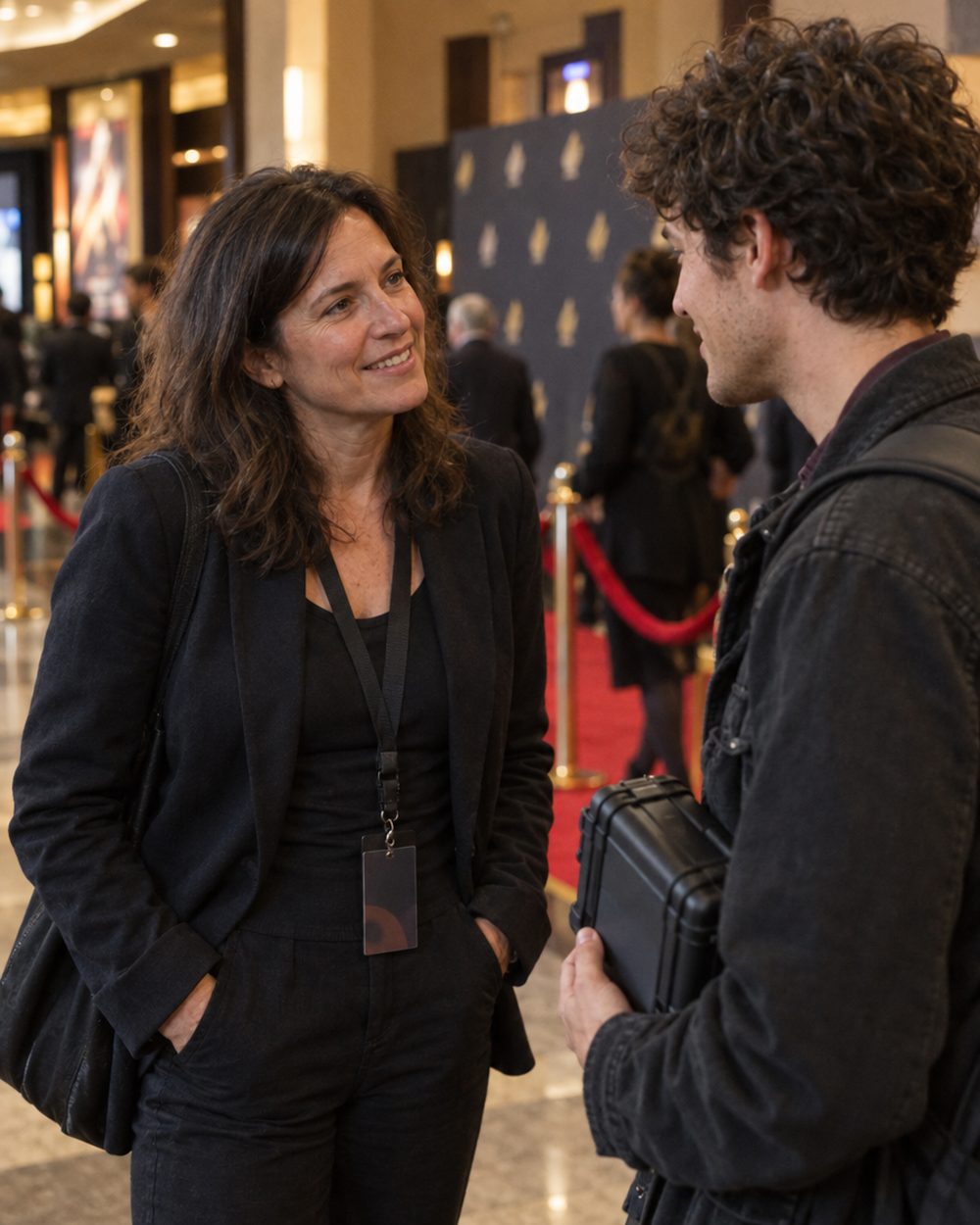
A festival director in a cinema lobby talking with a young filmmaker holding a drive case
Every invited film is a filmmaker someone has to keep in the loop.